Mushroom guide: the naturalist's field toolkit
Build the observation skills and reference habits that let you make faster, more confident fungal identifications in the field.
The five-step field observation routine
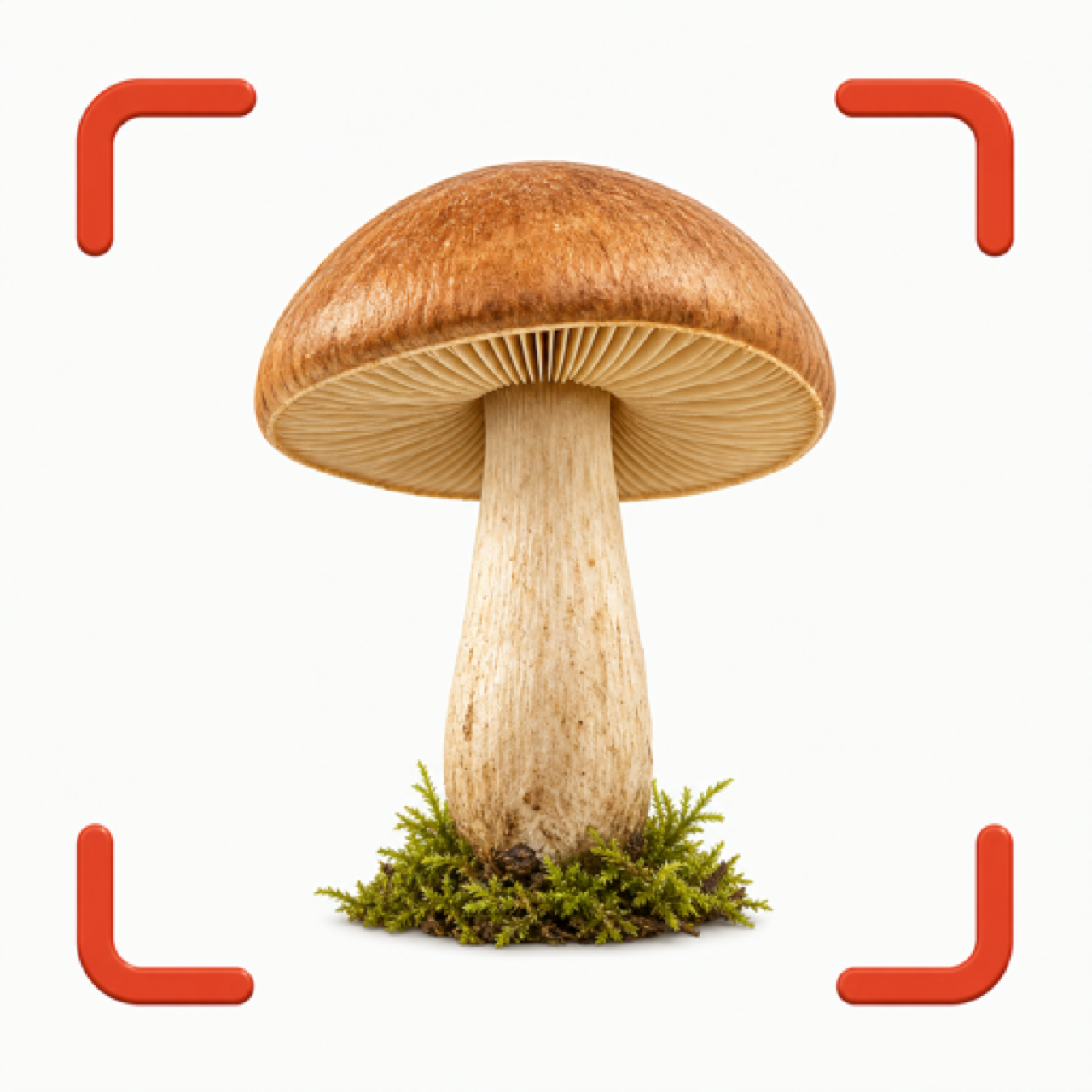
Experienced naturalists approach every fungal find with a consistent routine before touching anything. Step one: observe the specimen in place and note the substrate and surroundings. Step two: photograph the cap top, underside, full stem, and any basal features. Step three: gently scratch or break a small piece of cap edge to check flesh colour and note any smell. Step four: look around for other specimens at different maturity stages — young buttons and aging specimens of the same species tell a fuller developmental story. Step five: note the GPS location and dominant nearby tree species. This five-step process takes under three minutes but produces the complete data set that makes identification both possible and verifiable after the fact. MushroomLens is designed to receive this input — scan at step two and let the app work in parallel while you complete the remaining steps.
Building a reference library over time
The fastest path to more confident identifications is repeated exposure to the same species across different conditions. Keeping a field log — even a simple note with photos, location, and date — transforms individual encounters into a cumulative knowledge base. Over a few seasons, patterns emerge: you learn which species reliably appear in which patch of your local woodland, when they first fruit each year, and how they age. Regional field guides are essential companions, not because apps cannot identify fungi, but because local ecological knowledge — which trees grow in your area, which species ranges overlap — makes every identification more grounded. MushroomLens saves every scan with metadata, so over time your scan history becomes a personal phenological record of the fungi in your local landscape.
When to consult an expert or community
No app or field guide replaces expert judgment for difficult identifications. Mycological societies exist in most countries and welcome beginners — their forays are some of the best learning environments available because experts discuss identification reasoning out loud as they work. Online communities with photo submission have expanded access to expert opinion enormously; a good photo set submitted to an active group often receives multiple experienced perspectives within hours. Use MushroomLens for the rapid first-pass identification and to build your working hypothesis; cross-check with guides and community resources for anything where the confidence score is below your comfort threshold or where the stakes of getting it right are high.
FAQ
What gear do experienced naturalists carry on a fungi foray?
A hand lens (10×) for examining gill edges and spore deposits, a small knife for cutting specimens to check flesh colour, a basket or paper bag for carrying specimens without crushing, and a notebook or phone for logging finds. A portable UV light is useful for some species that fluoresce. A regional field guide remains valuable even when using an app, because it contains ecological notes and range maps that apps often summarise too briefly.
How does a mycorrhizal relationship affect where a fungus grows?
Mycorrhizal fungi form a symbiotic network with the roots of specific tree species, exchanging mineral nutrients and water for photosynthate. This relationship is species-specific: a fungus partnered with pine will not form the same relationship with an oak. Because the mycelium is anchored to the tree's root zone, fruiting bodies appear within that root radius. If you know a species associates with a specific tree genus, you can predict exactly where to look and immediately discard finds from incompatible habitats.
Can MushroomLens track which species I find each season?
Yes. Every scan is saved to your collection with the date and location, building a personal field record over time. You can review which species you encountered in previous seasons, compare fruiting dates across years, and build a picture of the fungal diversity in your regular foraging areas. This personal dataset is one of the most valuable things a repeat user accumulates.