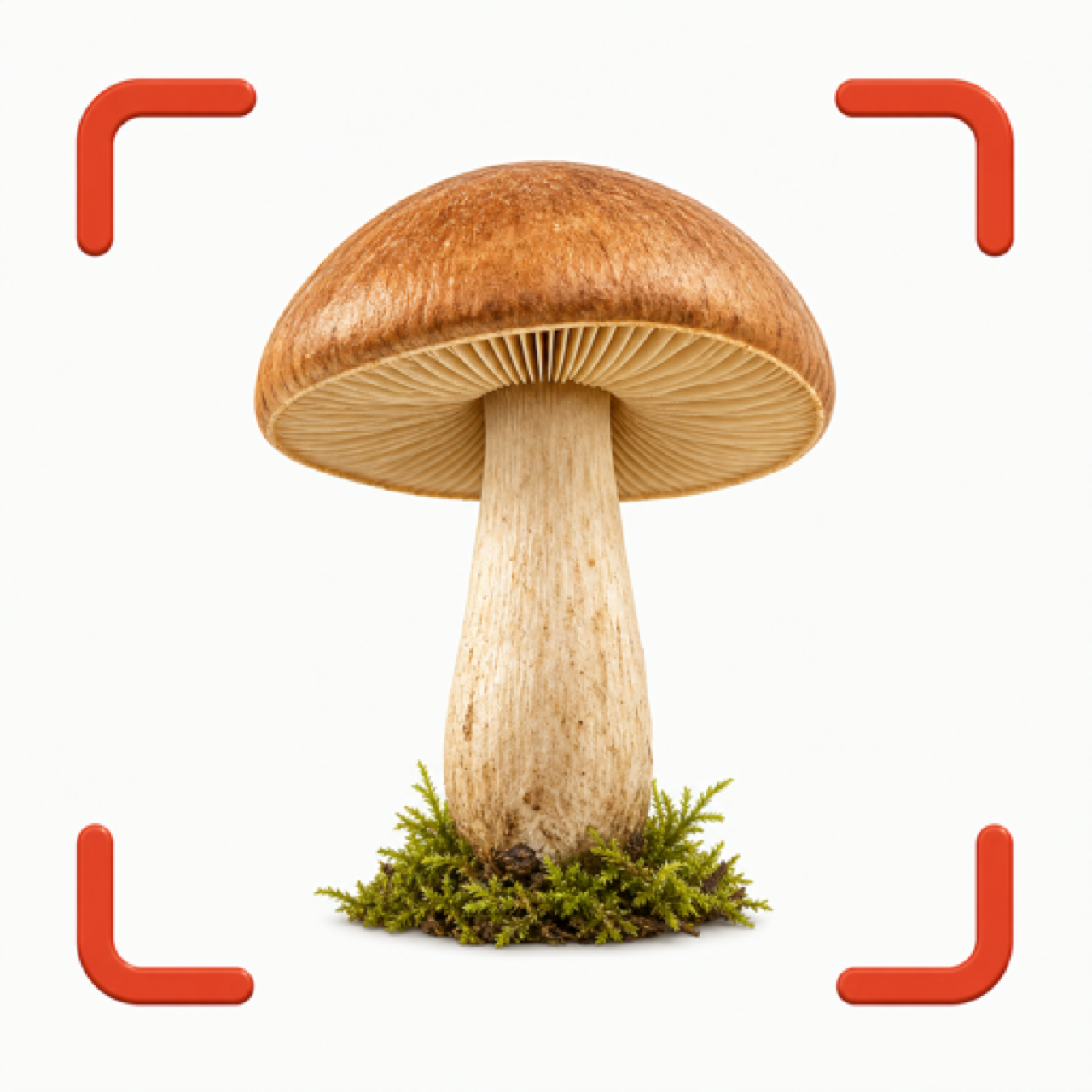
Foraging identification: reading landscapes like a naturalist
Understand how foragers read substrate, season, and habitat clues to locate and correctly identify fungi in the field.
Seasonal windows and fruiting ecology
Fungal fruiting is not random — it follows temperature and moisture triggers that vary by species, elevation, and region. In temperate climates, spring brings morels and false morels near riparian elms and ash. Summer rains trigger chanterelles in mixed hardwood forests. Autumn is the peak season for the greatest diversity of species across most of North America and Europe, particularly after the first cool nights following summer heat. Understanding these seasonal patterns helps a naturalist predict where and when to look, and also serves as a useful verification check: a species listed as a spring fruiter appearing in mid-autumn should prompt additional scrutiny before the identification is finalised. MushroomLens incorporates current-month fruiting data into its ranking algorithm, so seasonally unlikely matches are surfaced with lower confidence scores.
Reading substrate and tree partnerships
Where a fungus grows is often as informative as how it looks. The substrate — the material it fruits from — immediately defines which ecological guild is at work. Wood-decomposing species (saprotrophs) produce fruiting bodies directly from dead logs, stumps, or buried roots. Mycorrhizal species emerge from soil within root range of their specific tree partners: porcini favour spruce, fir, and pine in the northern hemisphere; many Amanita species associate with oak and birch. Ground-fruiting species in open grassland often belong to saprotrophic genera decomposing leaf litter and organic soil. A naturalist entering a new patch of forest quickly maps the tree canopy above and begins mentally sorting which fungal species are even candidate possibilities before looking down.
Documenting a find for later verification
Good documentation habits turn every outing into a learning record, regardless of whether the identification is ultimately certain. Photograph the specimen from multiple angles before disturbing it: cap surface, cap underside (or pore layer), stem base in full including any volva or mycelial mat, and the surrounding substrate and vegetation. Note the GPS location, date, weather, and dominant tree species nearby. A spore print taken at home from a collected specimen provides the final macro data point. This complete package — photos, context notes, and spore print — is what expert communities and identification apps need to provide reliable guidance. MushroomLens saves each scan with location and date metadata, building a personal field log over time.
FAQ
What does it mean when a mushroom stains blue when cut?
Bluing in fungi is caused by rapid oxidation of compounds called variegatic acid or other similar molecules in the flesh. It is a diagnostic character found in many boletes and a few other species. The speed, intensity, and location of the colour change (flesh, stem, or pore layer) all vary by species and provide useful identification data. Noting whether the colour change occurs immediately or after several minutes is part of a complete field observation.
Why do some fungi only fruit after rain?
Fungal fruiting bodies are primarily water by weight, so adequate soil moisture is a prerequisite for most species. Many fungi respond to a specific moisture threshold followed by a temperature window. The mycelium can persist in a dormant state through dry periods and rapidly produce fruiting bodies once conditions align. In drought years, even reliable annual species may not fruit at all, while an unusually wet season can produce exceptional abundance.
Is a photo enough to make a confident fungi identification?
A well-composed photo set — cap, underside, stem base, and habitat — provides enough information for MushroomLens to return a high-confidence match for many distinctive species. For species that are visually similar to one another, a photo provides a working shortlist, not a definitive answer. Cross-referencing the app result with spore print colour, smell, substrate, and a regional field guide produces a more complete identification than any single data source alone.