Mushroom seasons: when fungi fruit
Why a damp autumn week is prime time — reading the fungal calendar.
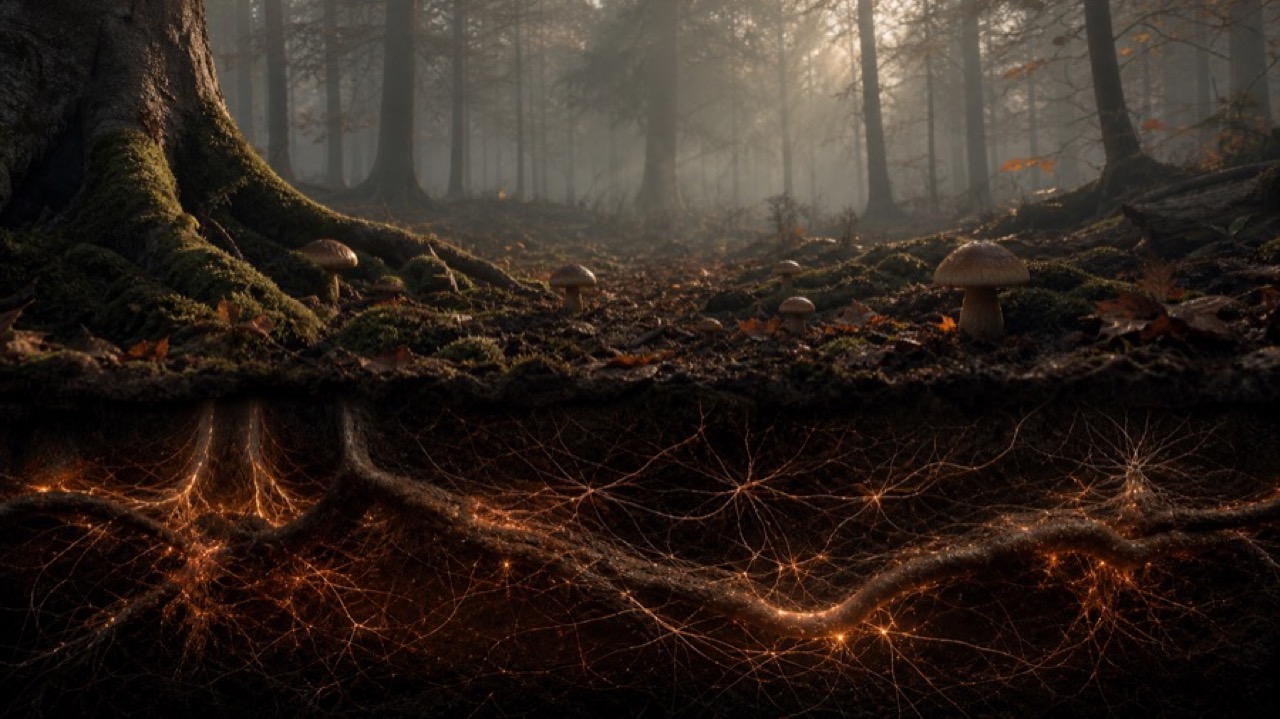
Most of a fungus is invisible — a vast web of threads spread through soil or wood, living quietly for most of the year. The mushroom is only the fruiting body, pushed up briefly to release spores when conditions are right. Understanding the seasonal rhythm of fruiting is what tells a naturalist where to spend a Saturday morning, and why a patch that was bare last week can be crowded today.
Why fungi fruit when they do
Fruiting is triggered by conditions, not by the calendar. Two factors dominate:
- Moisture. A soaking rain followed by a few mild days is the classic trigger. Many caps appear two to ten days after a good rain, as the underground network pumps water into rapidly forming fruiting bodies.
- Temperature. Each species has a window it favors. Some need the warmth of late summer; others wait for the cooling nights of autumn; a few specialize in early spring or even appear after the first frosts.
This is why the calendar alone misleads. A dry autumn can be quiet, while an unusually wet summer can produce flushes out of season.
The classic autumn peak
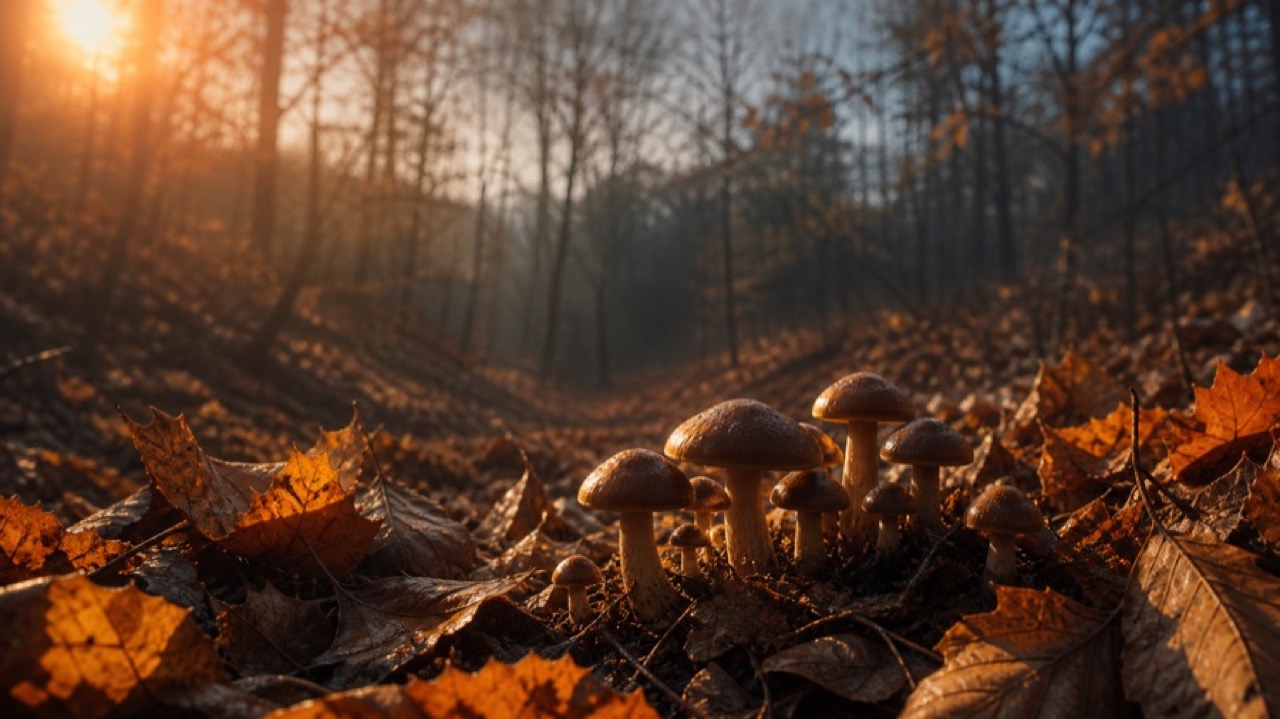
In many temperate regions, autumn is the richest season. Summer warmth still lingers in the soil, the air cools, and rain returns — the combination most species are tuned to. A damp week in autumn, with mild days and cool nights, is prime time: the forest floor, fallen wood, and grassland can all fruit at once. If you have one window a year to learn, this is it.
The other seasons are not empty
It's a beginner's myth that mushrooms belong only to autumn.
- Spring. As the soil warms, a distinct set of species fruits, including some tied to particular trees and some that appear on burned ground.
- Summer. Warm rain brings flushes, especially in grassland and on wood. Heat-loving species peak now.
- Winter. In milder climates, some hardy species fruit through the cold months, often on wood, when little else is up.
Learning which forms appear in which season turns a year-round forest into a calendar you can read.
Reading the local calendar
The national season is an average; your patch has its own timing shaped by altitude, aspect, and how quickly the ground drains. Keep notes. Record the date and the weather of the preceding week against each find, and within a year or two you'll start predicting flushes rather than stumbling onto them.
A few practical habits
- Watch the weather, not the date. Plan trips two to several days after meaningful rain.
- Return to productive ground. Many fungi fruit in the same spot year after year as the underground network persists.
- Note the season with every record. Timing is itself a field mark; some lookalikes separate partly by when they appear.
Reading the fungal calendar is about finding and observing more species, and learning their natural history. It says nothing about whether anything is safe to eat — never make an edibility decision from this guide, and consult a qualified mycologist for anything affecting your safety.
FAQ
Do mushrooms only appear in autumn?
Autumn is the peak in many regions, but species fruit across the year — some in spring, some after summer rain. Temperature and moisture, not the calendar alone, trigger fruiting.