Key field marks: cap, gills, stem, spore print
The features that actually separate one species from the next.
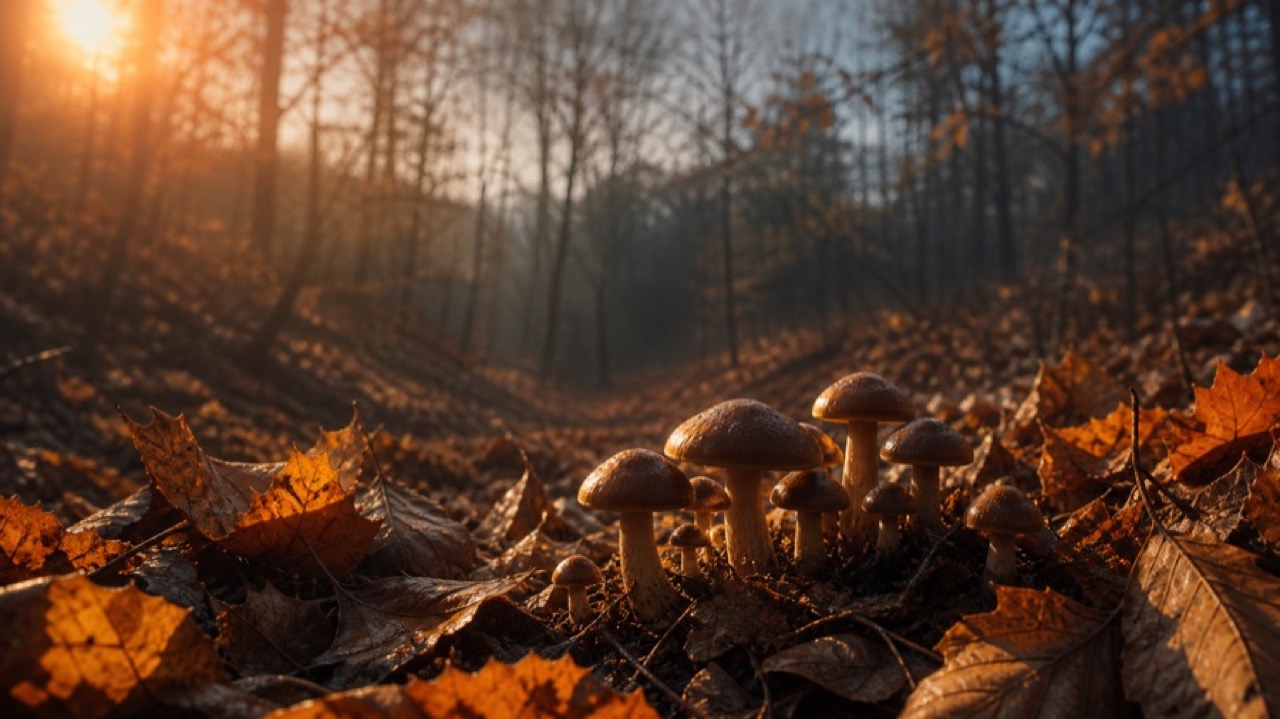
Field marks are the small, consistent features that separate one species from the next. A beginner sees a brown mushroom; a naturalist sees the color of the spore print, the way the gills attach, the texture of the stem base, and how the flesh reacts to a bruise. Learning to read these marks in order is what turns a vague guess into a defensible identification.
The cap: more than color
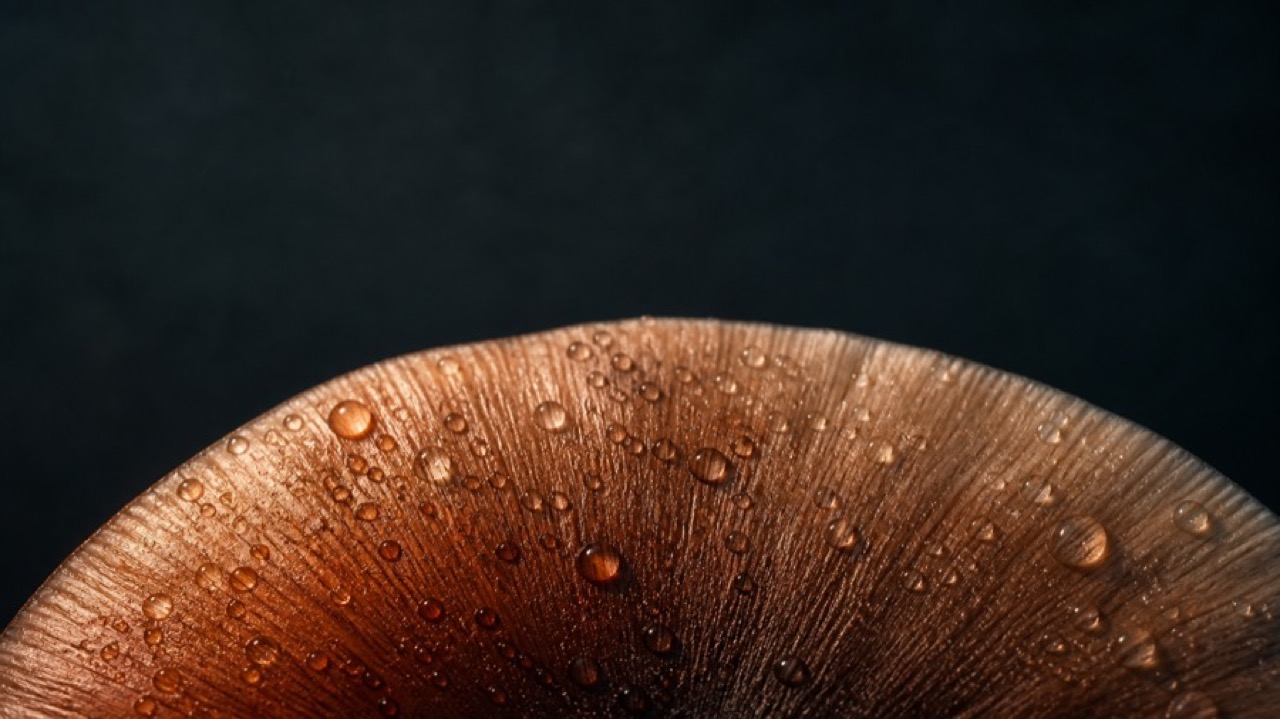
Color is the most obvious feature and the least reliable on its own — it fades, darkens with moisture, and varies with age. Read the cap as a set of traits instead:
- Shape and how it changes. Many caps begin bell-shaped or domed and flatten with age, sometimes turning up at the edge.
- Surface. Smooth, scaly, fibrous, sticky, or velvety. Whether it's dry or slimy when fresh is often diagnostic.
- Margin. The very edge can be rolled under, lined, ragged, or hung with veil remnants.
Under the cap: gills, pores, or teeth
The underside carries some of the most decisive information, which is why it's the photo naturalists prize most.
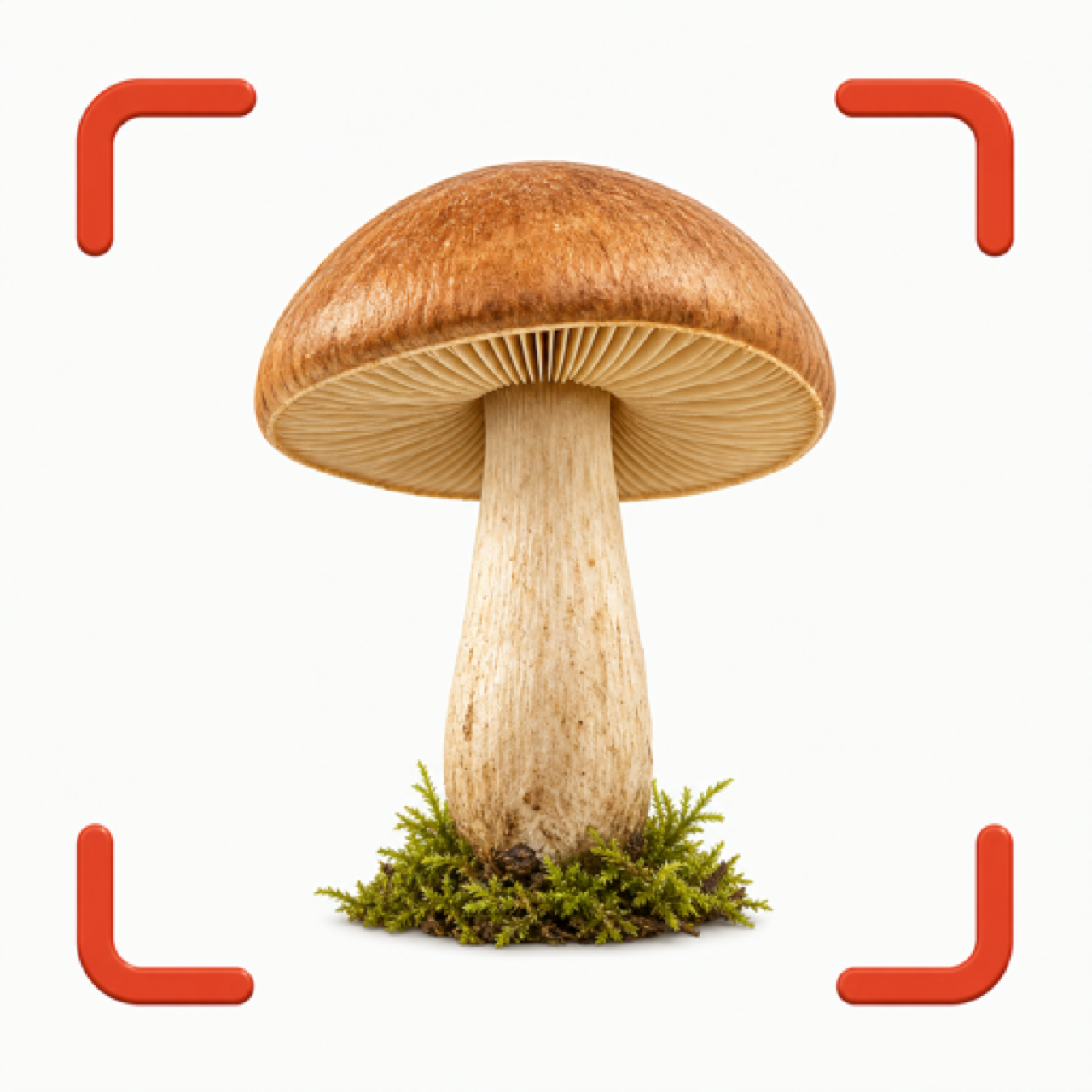
- Type. Blade-like gills, a layer of tiny pores like a sponge, downward spines, or wrinkled folds — this alone splits the fungal world into big groups.
- Attachment. How gills meet the stem — free and not touching it, broadly attached, notched, or running down the stem — is a stable, reliable feature.
- Spacing and color. Crowded or widely spaced; and the color, which can differ from the spore color.
The stem, ring, and base
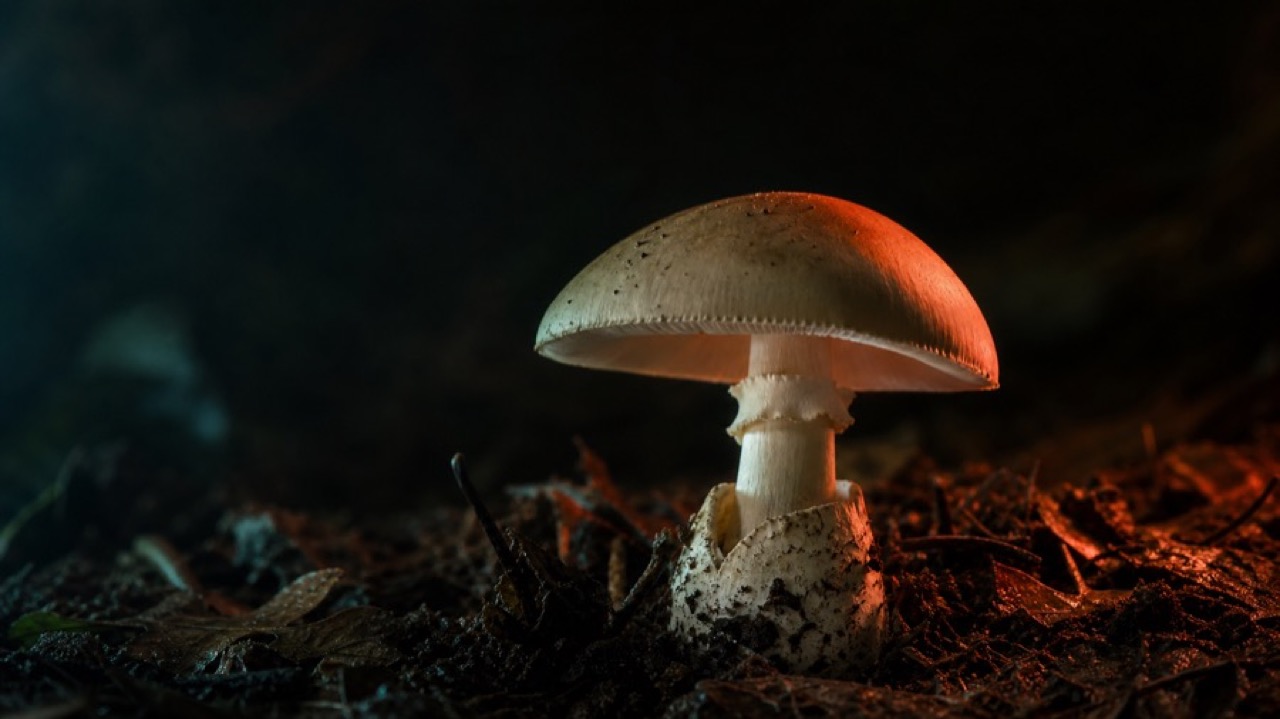
The stem repays attention. Note whether it's hollow or solid, fibrous or brittle, and whether it changes color when handled. A ring or skirt is left by a veil that once protected the young gills; its presence, height, and texture narrow candidates fast. At the very base, look for a cup (volva), a swollen bulb, or rooting threads — features so important that pulling a mushroom without its base can make naming impossible.
The spore print: the quiet decider
If there is one technique that lifts a beginner toward real identification, it's the spore print. Cut the stem off, set the cap gills-down on paper, cover it to keep off drafts, and wait a few hours. The cap drops millions of spores in the pattern of its gills, and the mass color — white, cream, pink, ochre, rusty brown, purple-brown, or black — is one of the most reliable marks there is. Two mushrooms that look identical above can drop spores of completely different colors, and that single fact often settles the question.
Other clues worth noting
- Bruising and color change. Some flesh stains blue, red, or yellow when cut or rubbed. Note it, and note how fast.
- Texture and form of the flesh. Brittle and crumbling, fibrous, or rubbery.
- Smell. Distinctive odors — mealy, aniseed, earthy — are genuine field marks.
Use them together
No single mark names a mushroom. The skill is reading several and asking whether they tell a consistent story. When they agree, you have a strong hypothesis; when one disagrees, trust the contradiction and look again.
Learning field marks teaches you to recognize species — never to judge edibility. Never decide whether a mushroom is safe to eat based on field marks, a guide, or an app; consult a qualified mycologist examining the actual specimen.
FAQ
What is a spore print and why does it matter?
It's the pattern of spores a cap drops onto paper overnight, and its color is one of the most reliable identification features — often the deciding clue between species that otherwise look alike.