Habitats: where to find which fungi
Forest floor, fallen logs, lawns, host trees — habitat is half the answer.
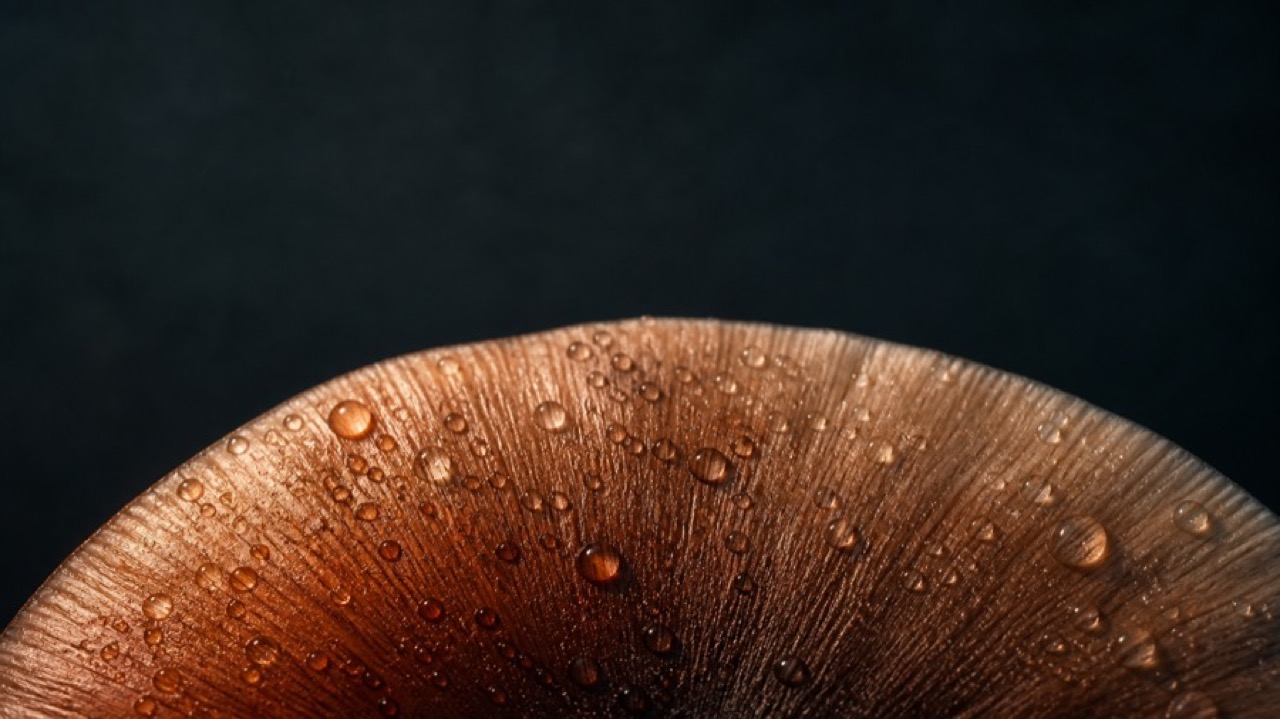
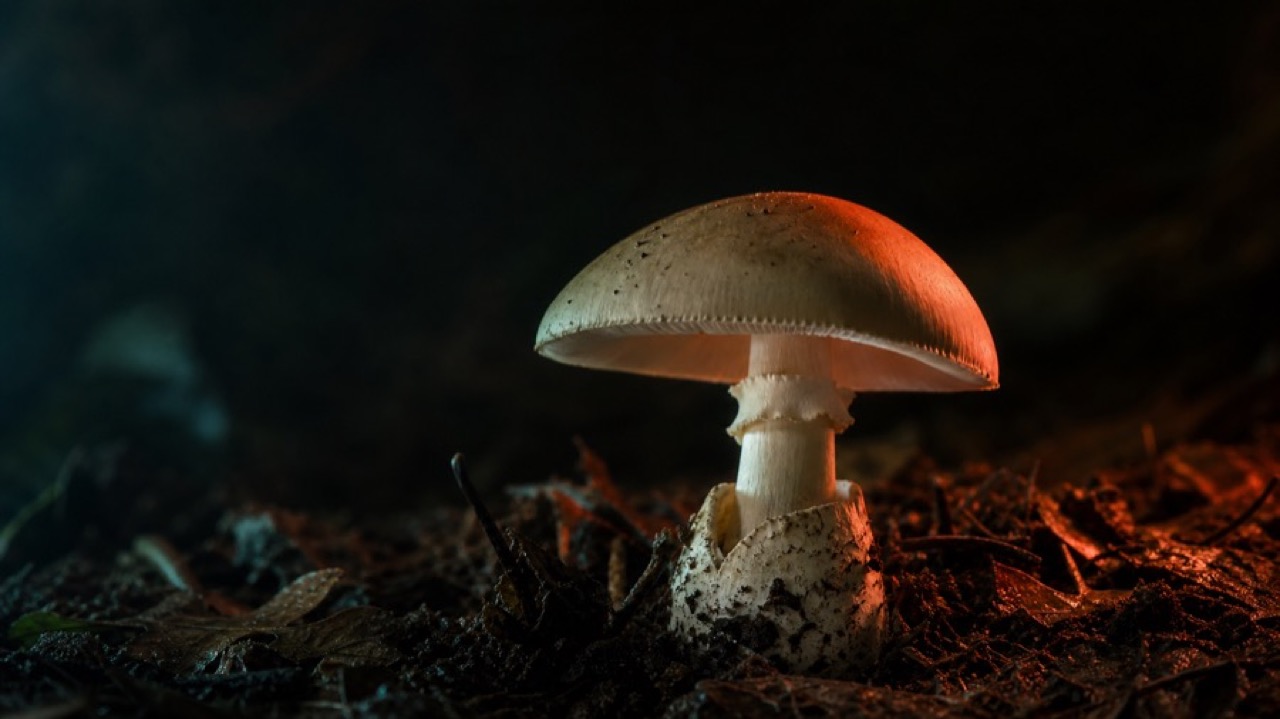
Where a mushroom grows is not background — it's evidence. Many fungi are tied so tightly to a particular tree, soil, or substrate that the habitat narrows the candidates as much as the cap or gills do. A naturalist who walks into a wood already knows roughly which fungi to expect there, and noting the surroundings of each find is half the work of naming it.
The three ways fungi make a living
Understanding habitat starts with understanding how a fungus feeds, because that dictates where it appears.
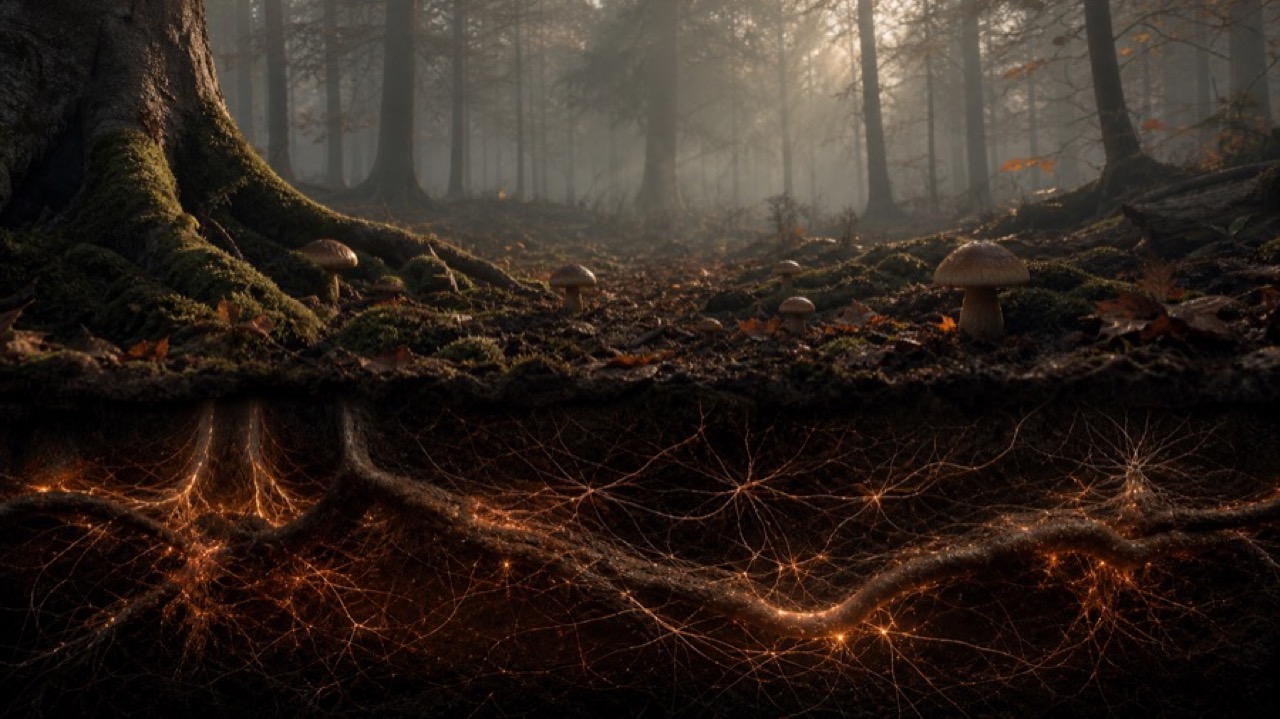
- Partners with trees. A great many woodland fungi live in partnership with tree roots, trading nutrients underground. These species appear near, and often only near, their partner trees. Learn the trees and you predict the fungi.
- Decomposers of dead matter. Others break down fallen wood, leaf litter, or dead grass. They fruit on or beside the thing they're digesting — a specific log, a stump, a bed of needles.
- Specialists on odd substrates. A surprising number grow only on dung, on burned ground, on pine cones, or even on other fungi. The substrate alone can nearly name them.
Read the host tree
Because so many fungi partner with specific trees, the canopy above you is a clue. Note which trees dominate — broadleaf or conifer, and which kinds — because the same-looking mushroom under different trees can be a different species. When you record a find, record the nearest trees; over time you'll see the same fungi return to the same tree associations.
Common habitats and what they offer
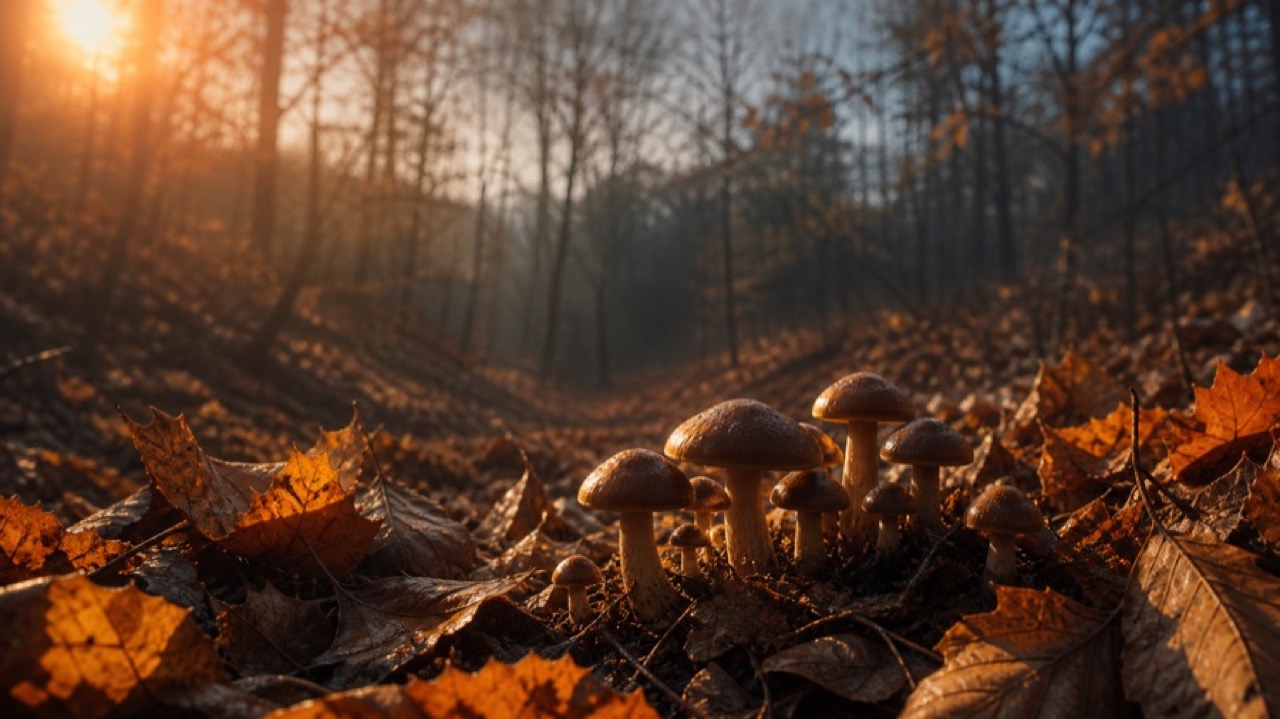
- The forest floor. Deep leaf litter and soil host both tree partners and litter decomposers. Look around tree bases and along paths where the soil is disturbed.
- Fallen logs and stumps. Dead wood is a world of its own — brackets, clustered caps, and crusts. The species of wood and its stage of decay both matter.
- Lawns and grassland. Open turf has its own community, including ring-forming species and small, delicate caps that appear after rain.
- Wood chip and disturbed ground. Mulched beds and recently disturbed soil flush with their own opportunists, sometimes far from any forest.
- Specialist spots. Dung, burn sites, bogs, and dunes each carry fungi found almost nowhere else.
Note the substrate precisely
"On wood" is a start, but "on a well-rotted broadleaf log" is far more useful. Is it on soil or on buried wood? On living or dead tissue? Growing from the wood itself or from the soil beside it? These distinctions routinely separate lookalikes that share a cap shape and color.
Build a mental map
The more you record habitat, the more the landscape organizes itself. You'll learn that a certain damp gully reliably produces one group, that a particular avenue of trees hosts another, and that the lawn flushes a week after the woods. This local knowledge makes you faster and more accurate than any single field mark can.
Habitat is a tool for finding and naming species and understanding how they live — not a safety check. Never decide whether a mushroom is edible from its habitat, this guide, or an app; consult a qualified mycologist for anything affecting your safety.
FAQ
Why does the tree nearby matter?
Many fungi partner with specific trees or grow only on certain wood. Noting the host tree and substrate often narrows the candidates as much as the mushroom's own features.