How to identify a mushroom: a beginner's method
Cap, gills, stem, base — the step-by-step way naturalists read a mushroom.
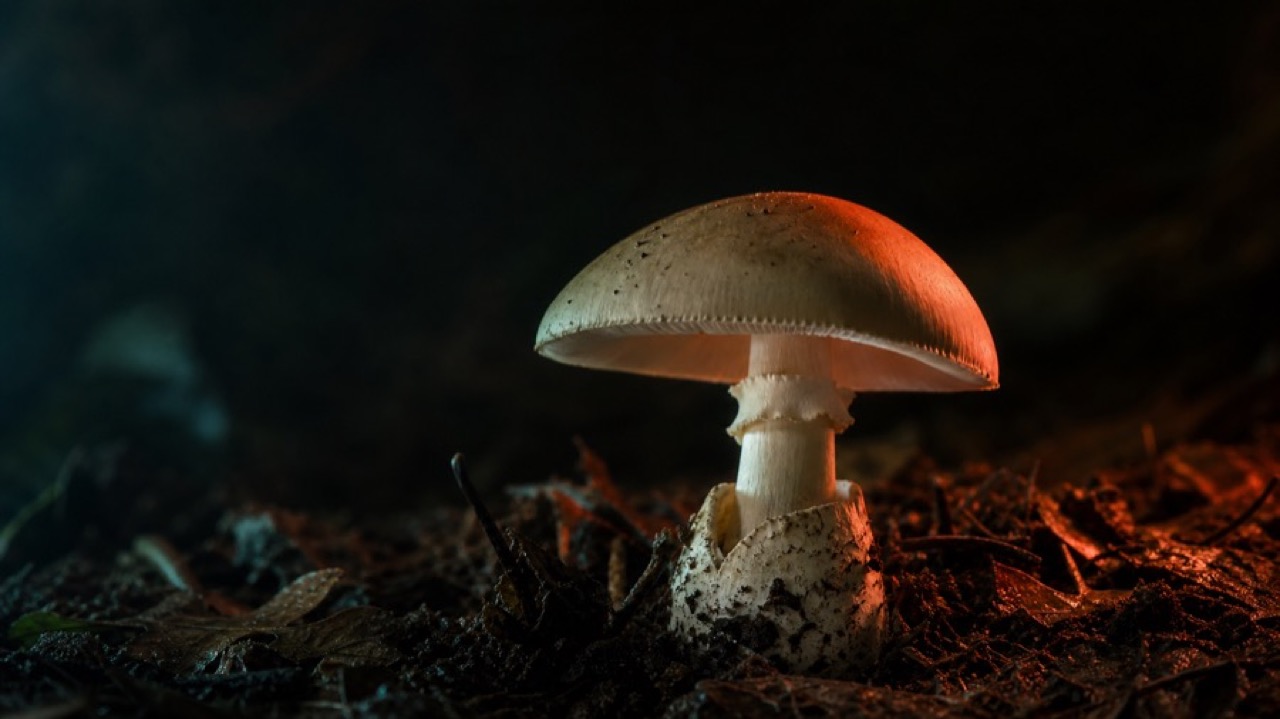
There is no single feature that names a mushroom. A beginner's instinct is to glance at the cap, decide it looks like a picture they've seen, and call it. Experienced naturalists do the opposite: they slow down, read the whole organism part by part, and let each feature narrow the field until only a handful of candidates remain. Identification is a process of elimination, not a moment of recognition.
Start with the whole, before the parts
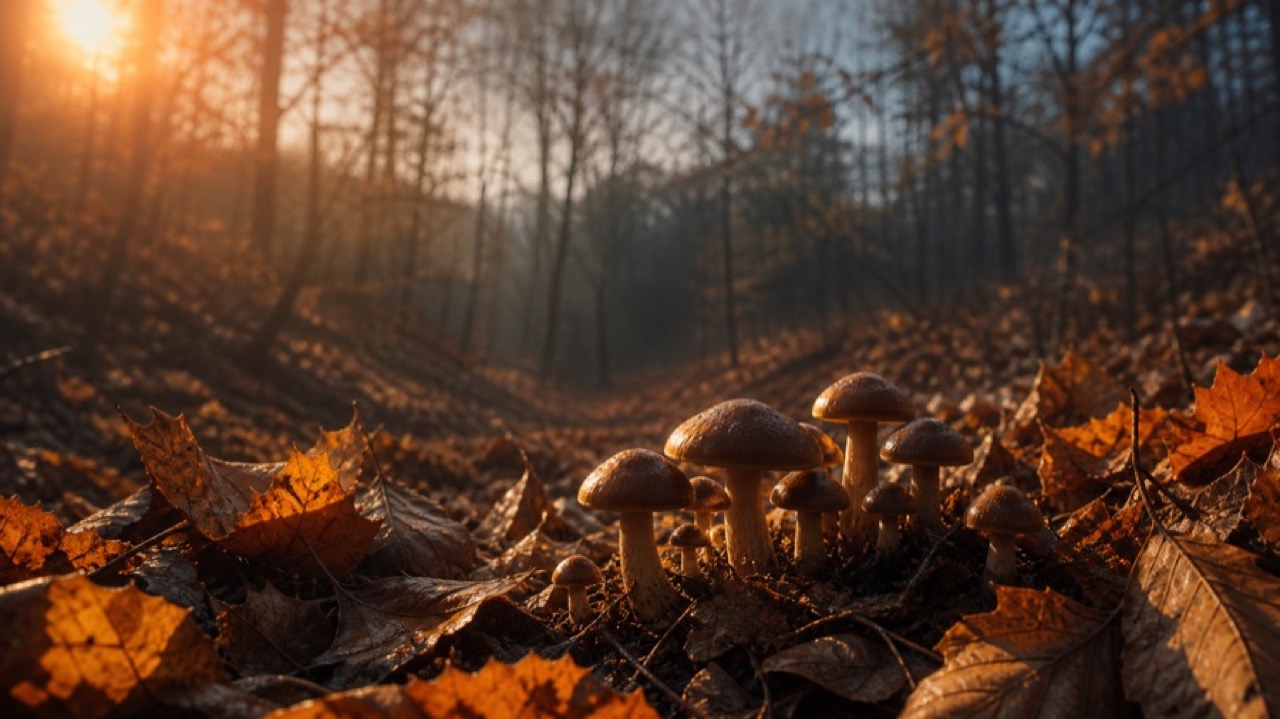
Before you crouch in close, take in the mushroom as a complete thing. Is it a classic cap-and-stem shape, a bracket growing sideways from wood, a ball, a cluster of tiny cups, a coral-like branching form? This first read places it in a broad group and saves you from forcing every find into the cap-and-stem template. Note also how it grows — alone, in a scattered troop, in a tight cluster from one base, or in a ring on the grass.
Work through the field marks in order
Once you've placed the overall form, read the features in a consistent sequence so you never skip one:
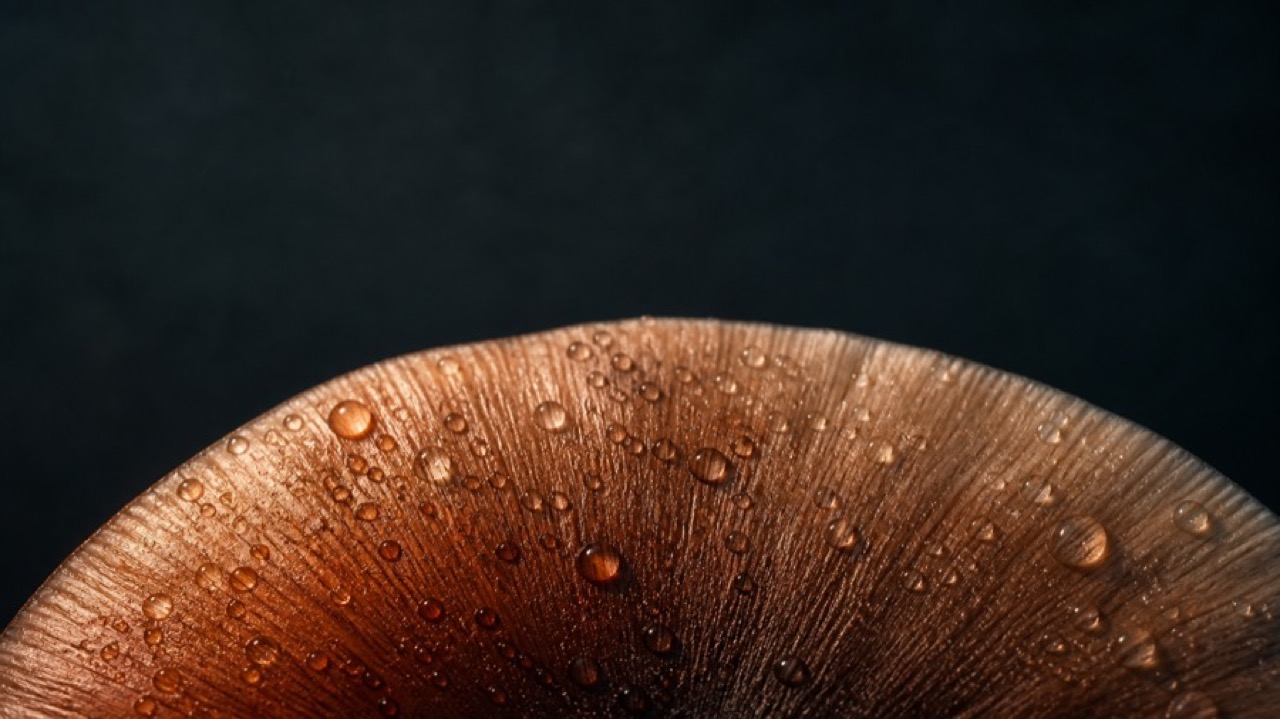
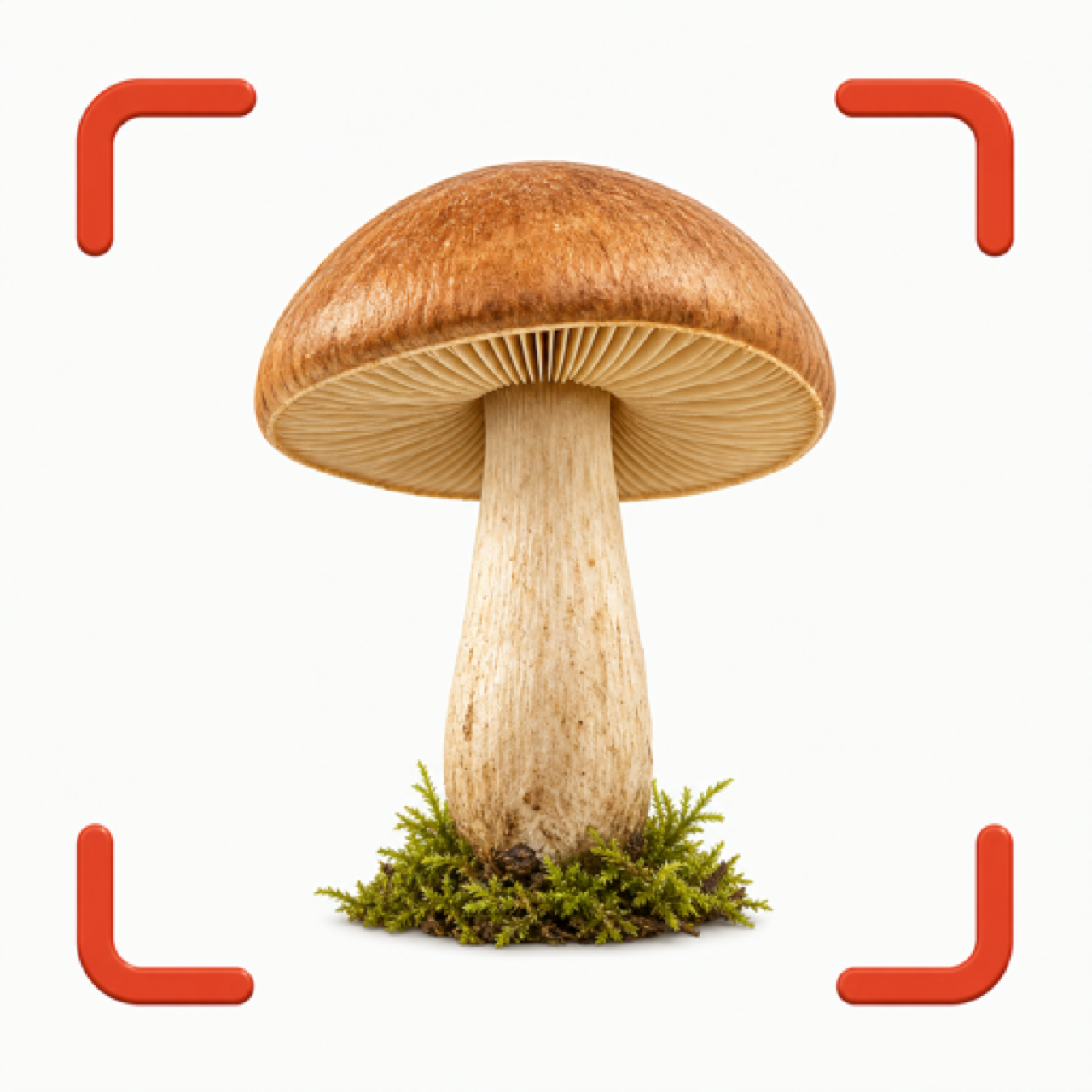
- Cap. Shape, size, color, surface texture (smooth, scaly, slimy, dry), and how it changes with age. Margins matter too — rolled under, splitting, or striped at the edge.
- Gills, pores, or teeth. Look underneath. Are there blade-like gills, a sponge of pores, spines, or something else entirely? Note how the gills attach to the stem — free, notched, running down it — and their spacing and color.
- Stem. Thickness, whether it's hollow or solid, its texture, and any color changes when handled. Many beginners ignore the stem; it often carries the deciding clue.
- Ring and veil. A ring or skirt on the stem, or remnants of a veil on the cap, is a powerful narrowing feature.
- Base. Dig gently and look at the very bottom. A cup, a bulb, or rooting threads at the base are easy to miss and frequently essential.
Read the habitat as a feature
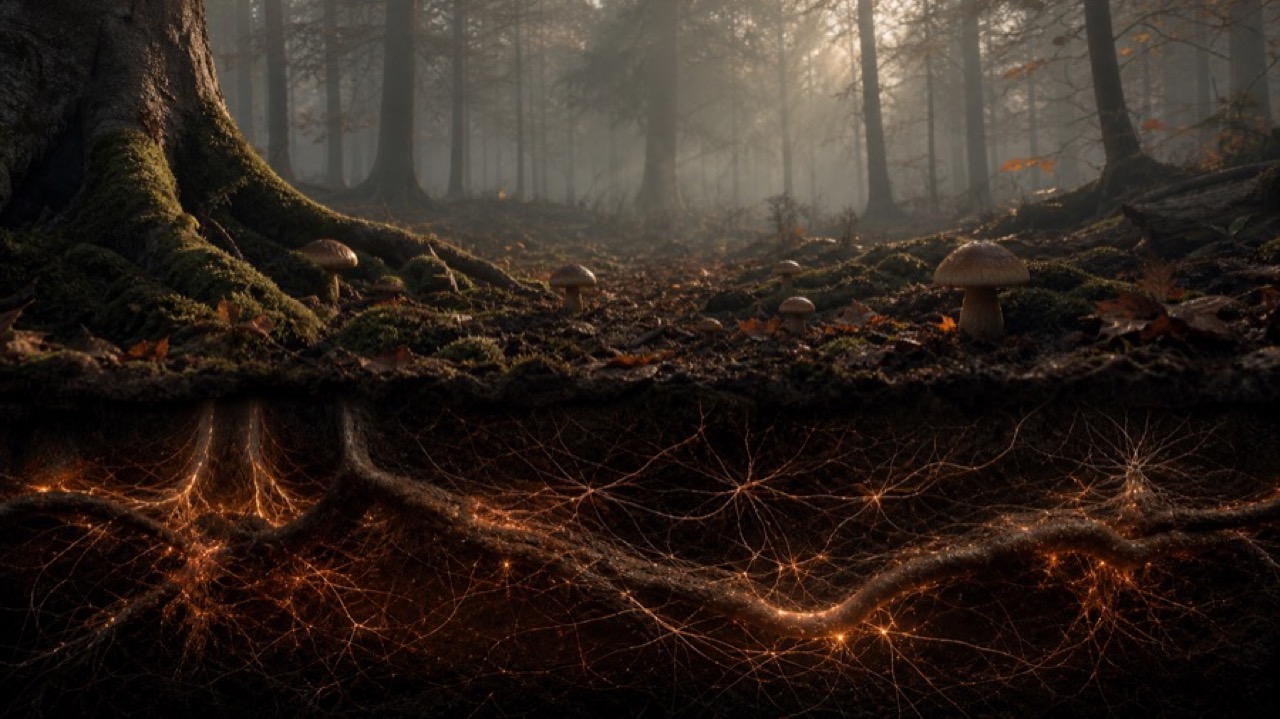
The ground a mushroom grows from is itself a field mark. Is it on soil, on living wood, on a dead log, on dung, on a lawn, in deep leaf litter? Which trees are nearby? Many fungi partner with specific trees or grow only on certain substrates, so the surroundings can eliminate candidates as effectively as the cap color.
Take the spore print when it counts
For many groups, spore color is the tie-breaker. Rest a cap, gills down, on paper for a few hours and a colored dusting appears. White, pink, brown, black, rusty — the color routinely separates species that look identical to the eye. It costs nothing but patience and is one of the most reliable tools a naturalist has.
Hold your conclusion loosely
When the features point to a likely name, treat it as a hypothesis to confirm, not a verdict. Cross-check several independent marks; if one contradicts the rest, you have the wrong name. A confidence reading from an app is a starting point, not proof — lookalikes are common and many differ only in subtle detail.
Never decide whether a mushroom is edible based on this method, an app, or a guide. This is a way to learn the language of fungi, not a safety test. For anything affecting your safety, consult a qualified mycologist who can examine the actual specimen.
FAQ
What should I look at first?
Start with the whole shape, then work through cap, gills or pores, stem, ring, and base — and note the habitat. Each feature narrows the field; no single one identifies a mushroom on its own.