Keeping a fungi life list
Log each find with date, place, and habitat — and watch your eye sharpen.
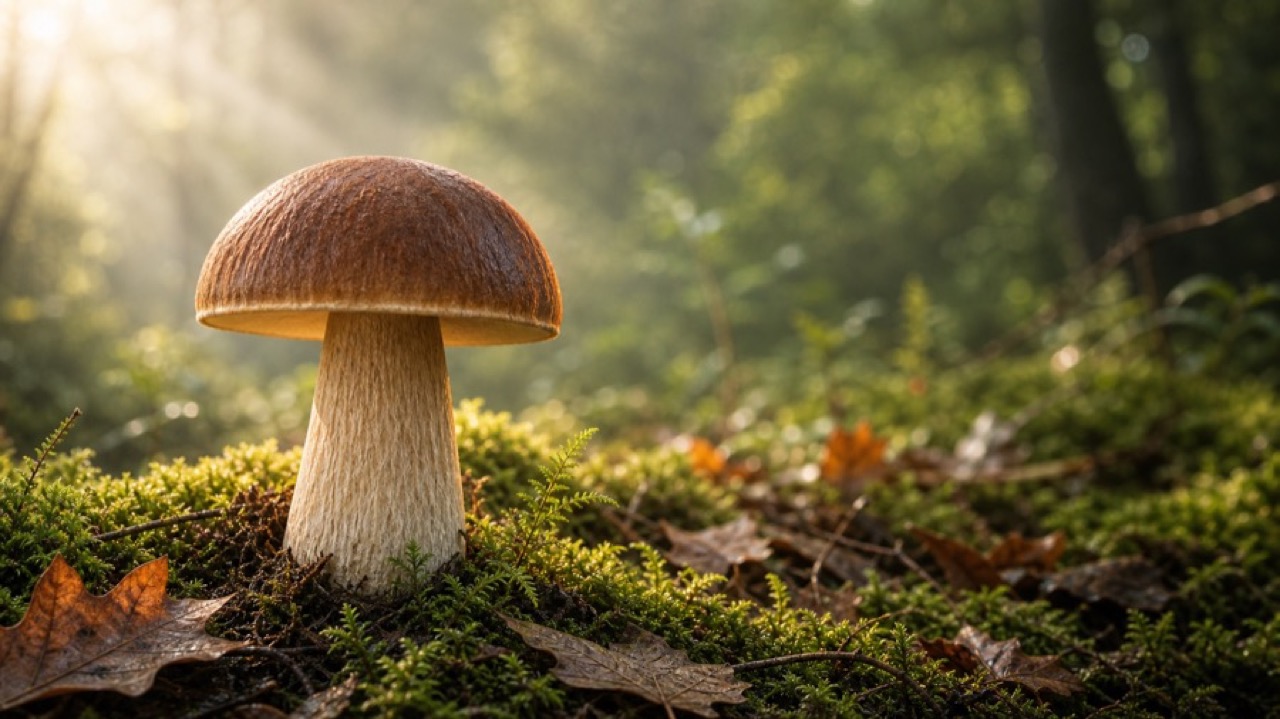
A life list is the single best habit for getting better at fungi. It's nothing more than a running record of what you've found, where, and when — but kept consistently, it transforms scattered sightings into a body of knowledge. Each entry sharpens your eye, reveals patterns across seasons, and turns a year of walks into a personal field guide to your own patch.
Why a list teaches you faster
Identification is pattern recognition, and pattern recognition needs repetition with feedback. A life list gives you both. When you log a find and revisit it later, you close the loop: you remember what fooled you, you see the same species return to the same habitat, and you start anticipating what you'll find before you find it. People who keep lists improve markedly faster than those who don't, because the list does the remembering they otherwise can't.
What to record for each find
A useful entry is more than a name. Capture the context that makes the find re-examinable:
- Date. Essential for tracking seasons and tying flushes to weather.
- Location. Specific enough to return to — a named wood, a particular trail, a corner of a park.
- Habitat and host tree. What it grew on or near — soil, wood, lawn — and the nearest trees.
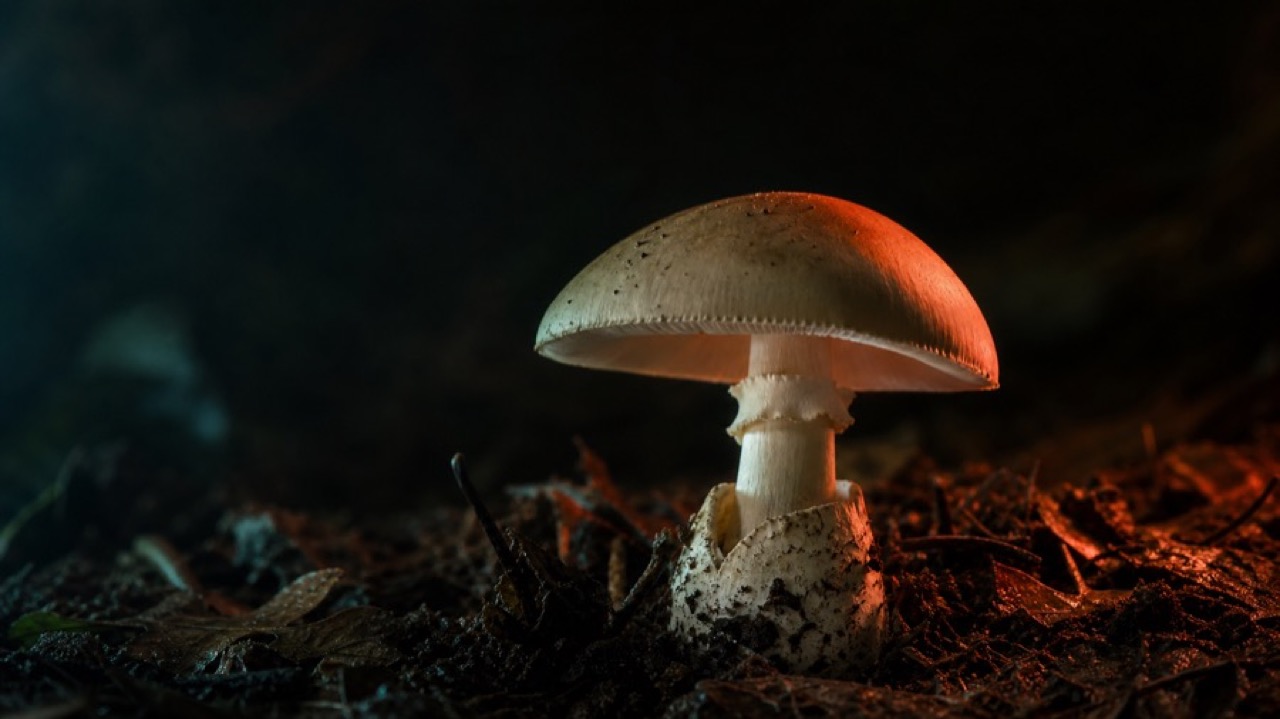
- Photos. Cap from above, the underside, and the base, at minimum.
- Notes. Smell, texture, any color change when bruised, and how it was growing — alone, in a troop, or in a cluster.
- Your confidence. Whether the name is firm, tentative, or unknown. "Unidentified" is a perfectly good entry.
Don't be afraid of the unknowns
Many finds won't resolve to a confident name, and that's fine — record them anyway. An entry marked "unknown, brown cap on a rotten log, autumn" is valuable: photographed and noted, it can be revisited as your knowledge grows, and you'll often name it months later from a better-understood feature. A list of only the easy species teaches you far less than one that honestly logs the hard ones.
Let the patterns emerge
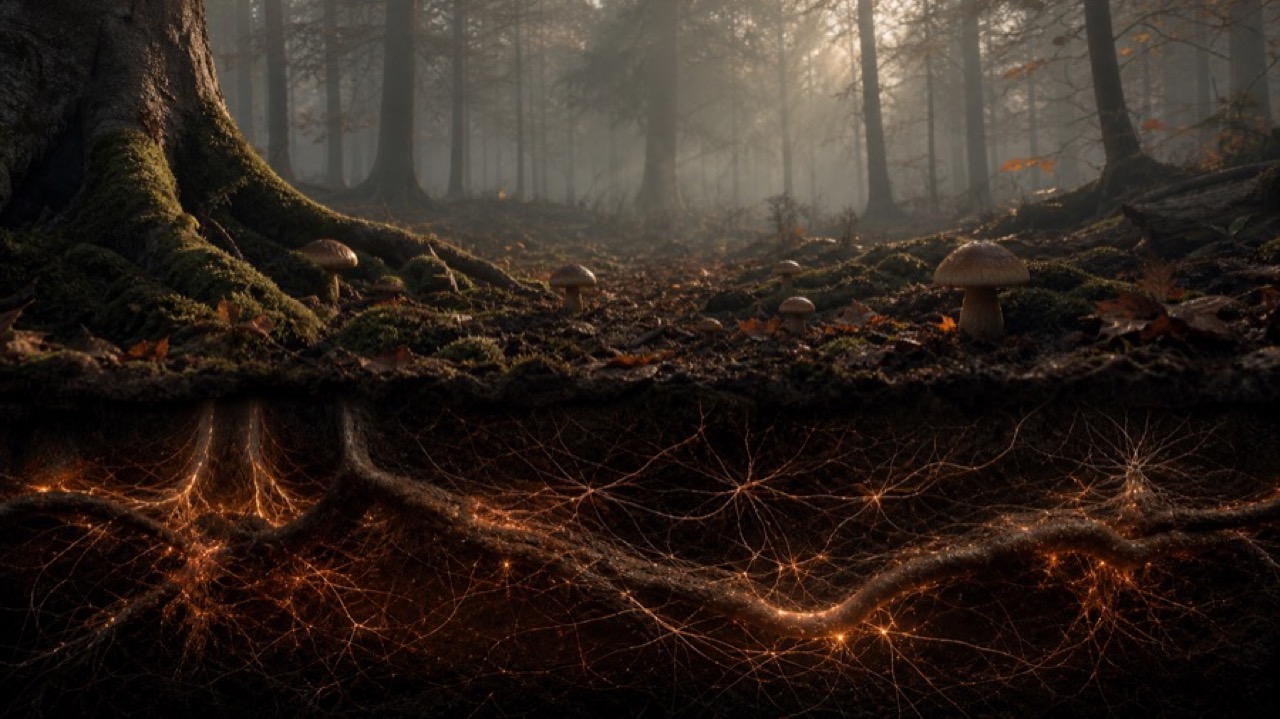
The payoff comes with time. After a season or two of consistent records you'll see structure: which species reliably appear in which weeks, which habitats produce which groups, how a given spot changes after rain. You'll notice the same fungi returning to the same trees year after year, because the underground networks persist. This is knowledge no single guide can give you — it's specific to your ground and built by your own observation.
Keep it sustainable
The best list is the one you actually keep. A few habits help:
- Log promptly. Record while the details are fresh, ideally in the field.
- Stay consistent. The same handful of fields every time makes the list searchable and comparable.
- Sort and filter. Reviewing by season, habitat, or genus turns the list into a study tool, not just an archive.
- Revisit old entries. Returning to past finds with new knowledge is where much of the learning happens.
A life list is a learning and observation journal — a record of what you've seen and where. It says nothing about whether anything is safe to eat. Never decide whether a mushroom is edible from your records, this guide, or an app; consult a qualified mycologist for anything affecting your safety.
FAQ
What should I record for each find?
Date, location, habitat and host tree, plus photos of the cap, underside, and base. Good notes let you revisit a find, track seasons, and steadily build the pattern-recognition that makes identification faster.