Common lookalikes and how to tell them apart
The pairs that fool beginners — and the small marks that separate them.
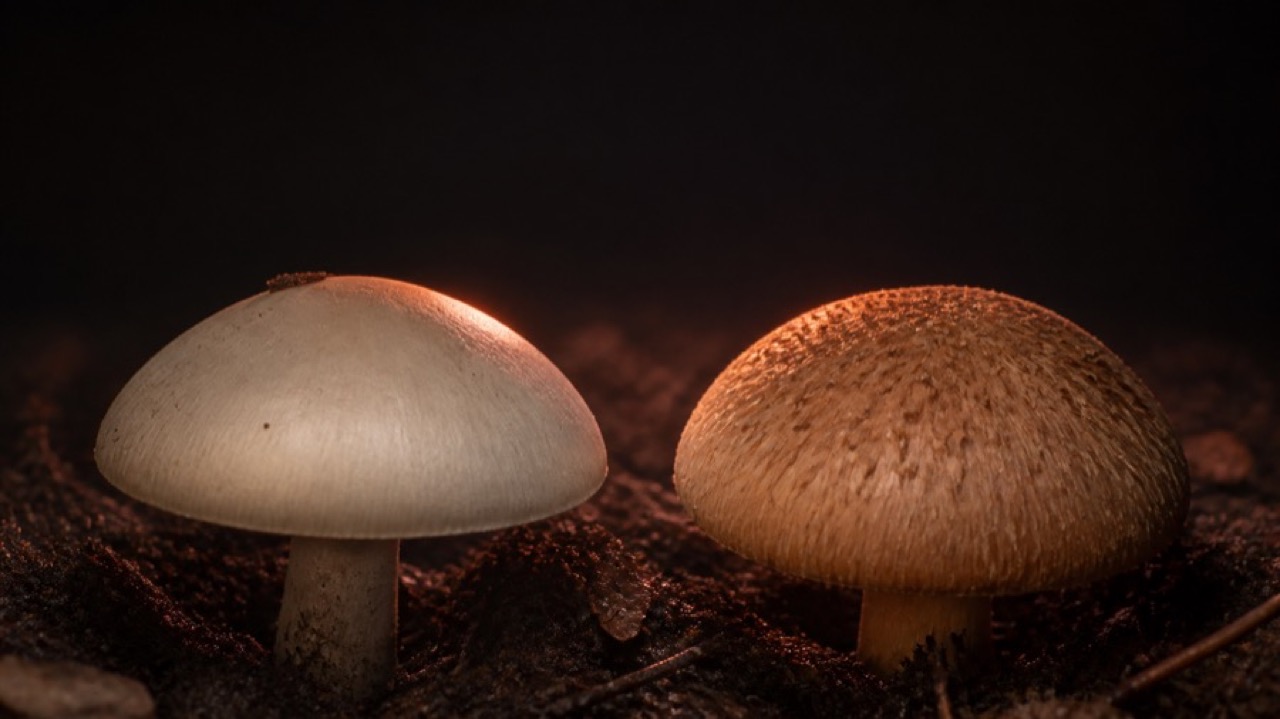
The fungal world is full of pairs that fool the eye. Two species can share a cap color, a general shape, even a habitat, and differ only in a feature you have to go looking for — the spore color, the way the gills attach, a ring you didn't notice. Learning to separate lookalikes is the heart of careful identification, because confusing them is exactly how mistakes happen.
Why lookalikes exist
Resemblance in fungi isn't a trick aimed at us; it's the result of unrelated species converging on similar forms, or close relatives diverging only slightly. The practical consequence is the same: a single glance is never enough. Two mushrooms that look identical from above can belong to completely different groups, and the difference may sit underneath, at the base, or in the spore print.
The features that separate them
When two finds look alike, run through the marks that most often break the tie:
- Spore print color. This is the classic decider. Caps that look the same can drop white, pink, brown, or black spores — and that single fact reassigns them to different groups.
- Gill attachment and spacing. Free versus attached versus running down the stem; crowded versus widely spaced. These are stable where color is not.
- Ring and veil. One species may carry a ring and its lookalike none, or the texture and position of the ring may differ.
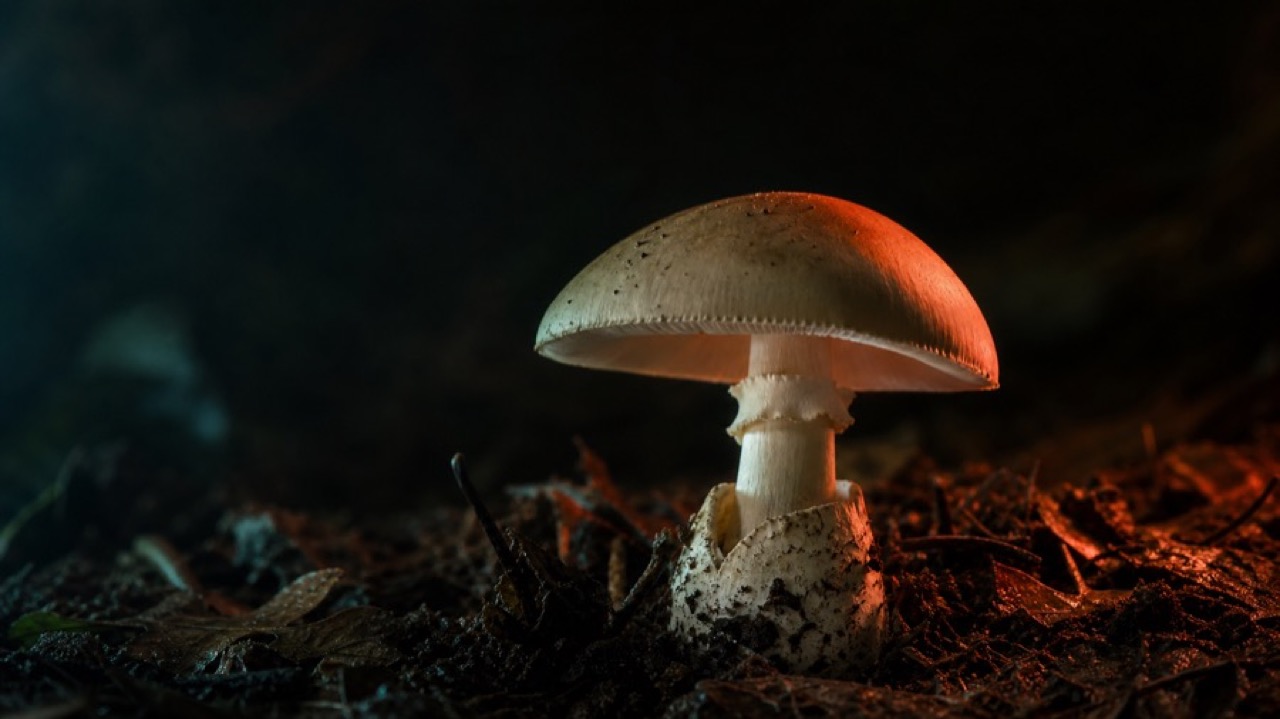
- The base. A cup or swollen bulb at the bottom can be the deciding feature — and the easiest to destroy by yanking the mushroom out carelessly.
- Bruising and texture. Flesh that changes color when cut, or that crumbles rather than tears, separates pairs that match in outline.
How experienced naturalists work a tricky pair
The method is to refuse to settle on the obvious feature. If the cap color suggests a name, deliberately check the spore print, the gill attachment, and the base before accepting it. The goal is to find a feature that disagrees — because if you can't make the identification fail, it's far more likely to be right. One contradiction outweighs three agreements.
Common traps for beginners
- Trusting cap color. Color shifts with age, moisture, and light. It's the first thing you notice and the last thing to rely on.
- Ignoring the underside. The gills or pores carry decisive information that the top simply doesn't show.
- Skipping the base. Pulling a mushroom and leaving its base in the ground can erase the one feature that would have settled it.
- Forcing a match. Wanting a find to be a particular species makes you discount the marks that say otherwise.
Let the app start the conversation, not end it
A confidence reading points you at a likely species and its close relatives — a genuinely useful starting point. But confidence is not certainty, and lookalikes are common. Treat the match as a hypothesis and confirm it against several distinguishing features yourself, especially the ones the app can't see, like the spore print and the base.
Separating lookalikes is a learning and observation skill. It never establishes that a mushroom is safe. Never decide whether a mushroom is edible based on telling lookalikes apart, this guide, or an app; consult a qualified mycologist examining the actual specimen.
FAQ
Why are lookalikes such a big deal?
Some closely resembling species differ only in subtle marks, and getting them mixed up is how mistakes happen. This is exactly why a confident match should always be checked against several distinguishing features.